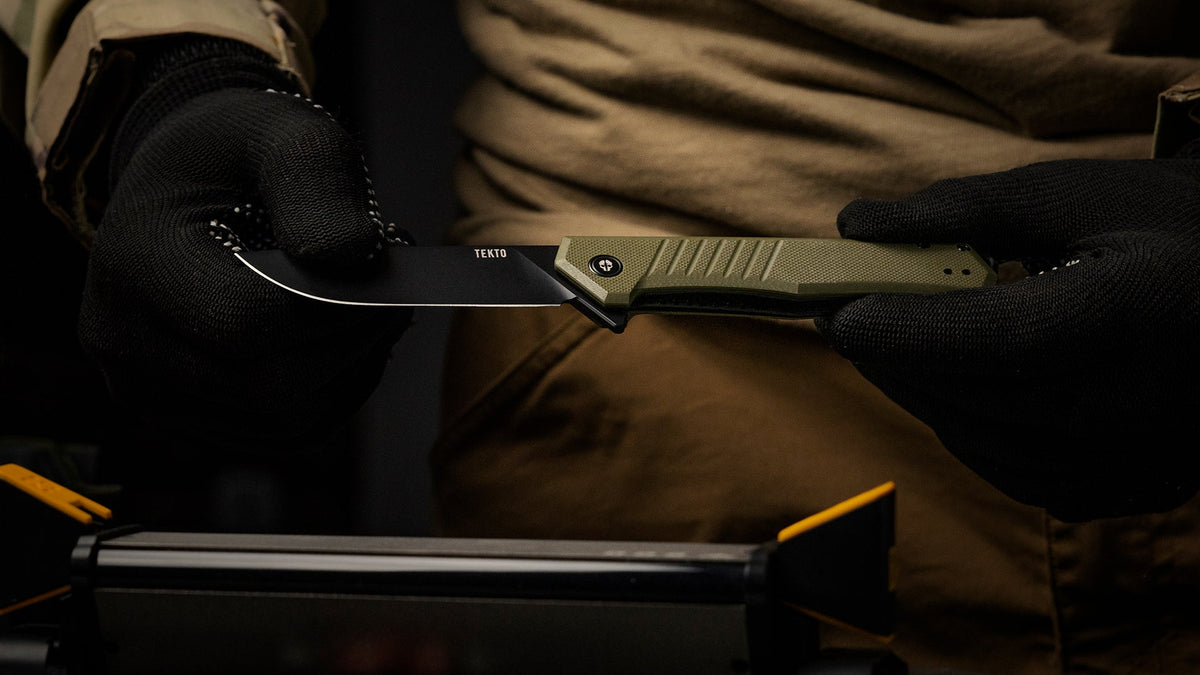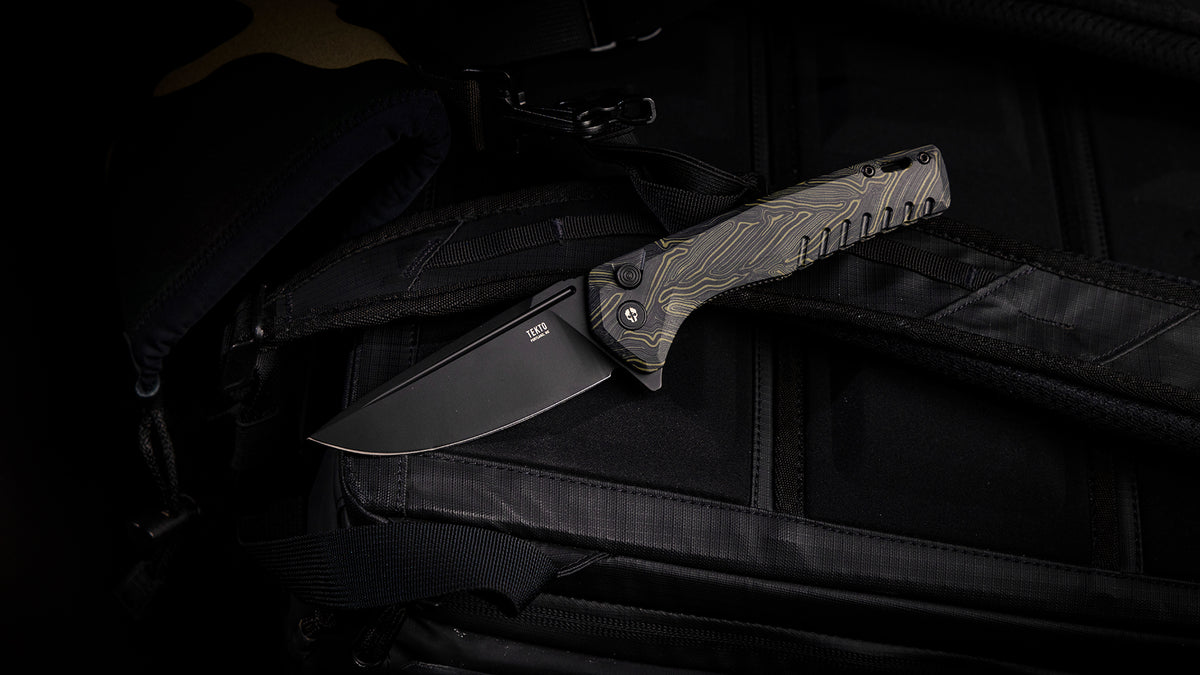
A knife is a simple tool that gets ruined in simple ways. Whether yours is an OTF automatic or a folding knife, the way it is cleaned, sharpened and used decides whether it lasts a year or a lifetime. Beginners tend to make the same three mistakes. Each one shortens the knife's life or ends in a cut hand, and each one has an easy fix.
1. Not Cleaning It
The mistake. Letting dirt, lint and moisture build up on the blade and in the handle. It leads to rust, a gritty pivot and a knife that no longer opens cleanly. Automatics suffer first, because an OTF blade rides in a channel that collects whatever the pocket holds.
The fix. A short routine after any day the knife got wet or dirty, and once a month regardless:
- Wash the blade in warm water with a little dish soap. A soft brush lifts stubborn grime. Skip harsh solvents, which can mark a coated blade.
- Clear the mechanism. On an OTF, blow the blade channel out with compressed air. On a folder, work the pivot and the lock under running water.
- Dry it completely, paying attention to the pivot, the clip and anywhere water hides.
- Oil the moving parts. A drop of light oil on the pivot or in the OTF track, then cycle the blade a few times. Our OTF cleaning guide walks through it.
2. Letting It Go Dull
The mistake. Using a knife until it will not cut. A dull edge is slower and more dangerous than a sharp one, because it needs more force, and more force is what slips.
The fix. Keep the edge up with small, regular work rather than one big rescue:
- Hone often. A dozen light passes on a ceramic rod after a day's use realigns the edge and puts off sharpening for months.
- Sharpen at the factory angle. Every TEKTO blade is ground at about 20 degrees per side. Matching it refreshes the edge you have instead of grinding a new one.
- Use a stone or a guided system, coarse grit for a truly dull edge and fine grit to finish. Our sharpening guide covers the method.
- Know when to hand it over. A chipped or badly rolled edge is a job for a professional sharpener, not for more passes.
3. Using It as Something Else
The mistake. Prying, scraping, twisting and hammering with a knife. Sideways load bends and breaks tips, and on a folder it stresses the pivot and the lock. On an OTF it is the one thing that will put the blade out of its track.
The fix. Let the knife cut and give the other jobs to the right tool:
- Cut and slice only. No screwdriver, pry bar or hammer duty. A keychain pry bar handles those for a few dollars.
- Match the knife to the job. An OTF opens with one thumb and cuts beautifully. It is not the knife for batoning kindling. A fixed blade is.
- Cut away from yourself, with a firm grip and a stable workpiece. Our handling safety guide covers the basics.
- Cut on wood or plastic, never on metal, stone or a plate, which dulls an edge in a single stroke.
Clean it, keep it sharp, and let it do the one job it was ground for. That is the whole of knife care, and a knife that gets it lasts as long as you do.
Good First Knives
A simple liner lock, the everyday OTF, its under-2-inch version and a button lock: each forgives a beginner and rewards the routine.
-
-
-


A5 Spry Mini
Regular price $179.99Regular priceUnit price per -


People Are Asking
How often should a beginner clean a pocket knife?
Wipe it down after any day it got wet or dirty, and give it a proper wash, dry and drop of oil about once a month. An OTF that lives in a lint-filled pocket also wants its blade channel blown out with compressed air now and then.
What is the right sharpening angle?
Match the factory edge. On every TEKTO blade that is about 20 degrees per side. Kitchen knives often run closer to 15, which is where the number in many guides comes from, but a pocket knife ground that thin chips.
Can I use my knife to open paint cans or turn screws?
Not if you want to keep the tip. Prying and twisting put sideways load on a blade that was ground to cut, and on a folder they stress the pivot and the lock as well. A keychain pry bar costs a few dollars and takes the job.
Is an OTF knife a good first knife?
Where automatics are legal, yes: one thumb opens and closes it, and the A5 Spry is light enough to forget about. The one rule is never to lever the blade sideways, because an OTF blade rides on a carriage and sideways load is what breaks it. Check the 50-state guide for your state first.